
Beginning
For a lot of people, the name The Himalayas brings to mind rough, hard-to-reach peaks. But picture a kingdom hidden among those giants where happiness is officially measured, where forests cover more than 70% of the land, and where ancient Buddhist culture thrives, almost untouched by the modern world. This is the Kingdom of Bhutan, which is like Shangri-La in real life.

I remember my first trip: I was scared about the famous "high-value, low-impact" tourism policy, but that fear went away as soon as I saw the prayer flags flying over the emerald Paro valley. It wasn't a limiting trip; it was a very rewarding one that kept the beauty I came to see safe. Bhutan has something for everyone, whether you want a peaceful honeymoon, a family trip that immerses you in the culture, or a carefully planned adventure tour to conquer the mountain trails. This full guide will help you get to the Land of the Thunder Dragon and see its beauty like no other.
A Quick Guide to Bhutan for tourists
| Key Detail | Value |
| Best Time to Visit | Fall (September to November) or Spring (March to May) |
| Average Cost | $100 per night for the Sustainable Development Fee (SDF) for international tourists (plus travel/lodging) |
| Advice for Travelers | Hire a local guide/driver through a registered tour company; they manage permits and logistics |
| Must-See Sites | Buddha Dordenma (Thimphu), Phobjikha Valley, Punakha Dzong, and Tiger's Nest Monastery (Paro) |
What is Bhutan for tourists and what makes it special?

Bhutan is a constitutional monarchy based on the idea of Gross National Happiness (GNH), which puts the spiritual and mental health of its people ahead of economic growth. Bhutan is a true sustainable travel destination because it cares about happiness, preserving its culture, and protecting the environment.
Vajrayana Buddhism is the basis of the country's rich, colourful culture, which can be seen in every dzong (fortress-monastery) and chorten (stupa). Since the constitution stipulates that the country must have at least 60% forest cover (it now has more than 70%), it is the only carbon-negative country in the world. When you go to Bhutan, you're not just going on vacation; you're also getting to see a unique culture where old customs and taking care of the environment are very important. It gives you an experience in the Eastern Himalayas that you can't get anywhere else.
When is the best time to visit Bhutan?
The finest seasons to visit Bhutan are spring (March to May) and autumn (September to November). The weather is mild and the views of the beautiful Himalayan peaks are clear. Average temperatures during these seasons are comfortable, often ranging between 15°C and 25°C in the valleys.
But if you're looking for something else, try the months of December through February. A lot of people stay away from this time because it's cold, but it's the best time to find cheap Bhutan packages and have a more personal experience. The air is fresh, the skies are often a perfect blue, and important valleys like Punakha are much warmer. You also have the rare chance to see the endangered Black-necked Cranes arrive in the beautiful Phobjikha Valley. While temperatures can drop to near 0°C at night in the higher areas, this shoulder season is the best time for people who want to be alone and take amazing pictures.
Your Itinerary: Grand Tour of Bhutan itinerary (7 Days)
Day 1 (The Paro Arrival):
Get to Paro International Airport, which has one of the most beautiful landings in the world. After you get through customs and get your entry permit, drive to your hotel. To get used to the high altitude, spend the afternoon exploring the Kyichu Lhakhang, one of Bhutan's oldest and most sacred temples from the 7th century.
Day 2 (Journey to Thimphu):
After a quick breakfast, drive the beautiful 90 minutes to Thimphu, the capital. After you check in, go see the huge Buddha Dordenma statue, which gives you a great view of the valley. Visit the Tashichho Dzong, the monastery and government structure, in the afternoon. It is a stunning illustration of traditional Bhutanese design.
Day 3 (Thimphu Arts and Culture):
A day to celebrate GNH and the culture of the area. To learn about the country's culture, go to the National Memorial Chorten, the Folk Heritage Museum, and the Zorig Chusum (School of 13 Arts and Crafts). If you want to buy real Bhutanese textiles and souvenirs, don't miss the Thimphu market.
Day 4 (Punakha Via Dochula Pass):
Drive over the beautiful Dochula Pass (3,100m/10,171ft), stopping to look at the 108 memorial chortens and the stunning views of the Himalayas. Go down into the warmer Punakha Valley to see the beautiful Punakha Dzong, which is located at the meeting point of the Pho Chhu and Mo Chhu rivers.
Day 5 (Punakha Easy Hike):
To get to Chimi Lhakhang, the famous fertility temple linked to the strange saint Drukpa Kunley, start your day with a short, pleasant walk through rice paddies. You could have a picnic by the river or go to Bhutan's longest suspension bridge in the afternoon.
Day 6 (Tiger's Nest Hike and Return to Paro):
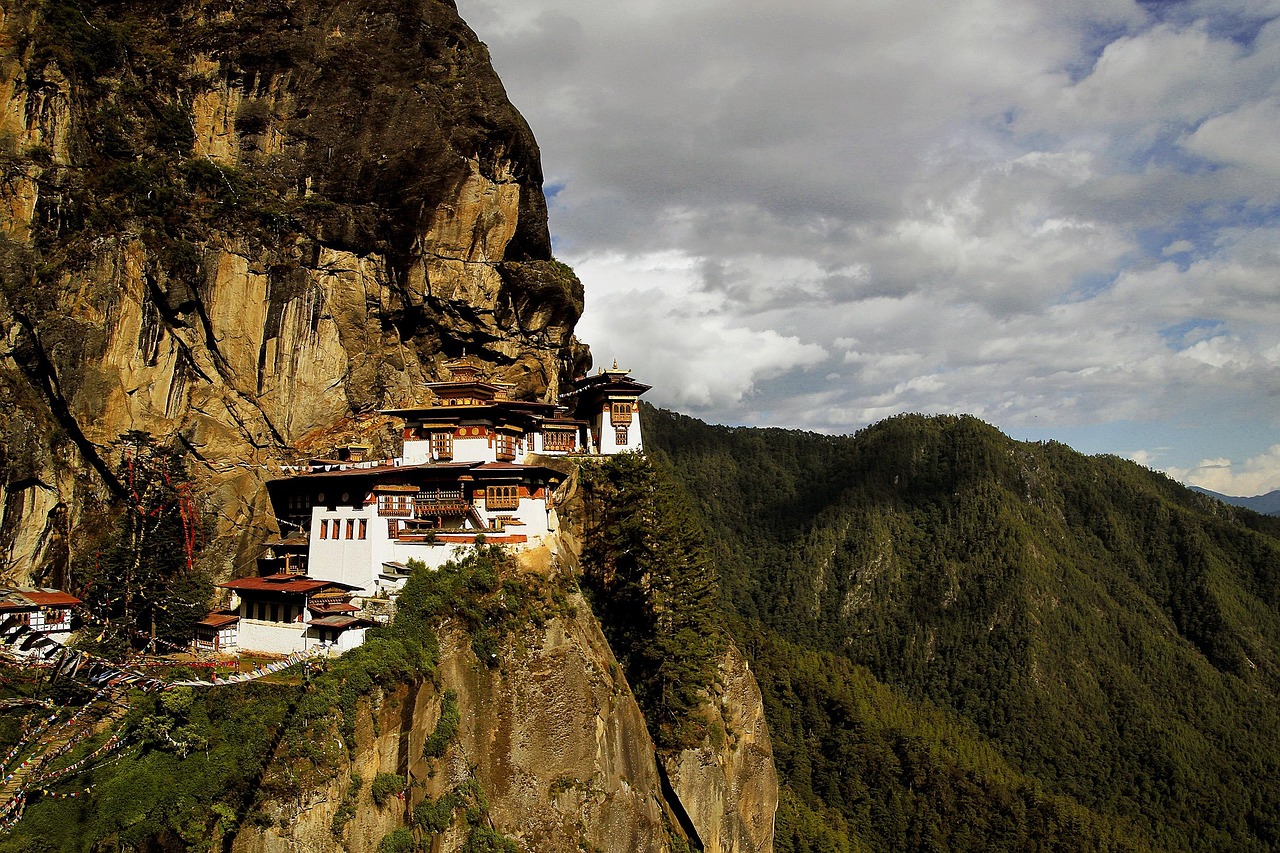
Drive back to Paro. Today is the day for the famous pilgrimage walk to the Tiger's Nest Monastery, also known as Paro Taktshang. This holy place is on the edge of a cliff and takes about 4 to 6 hours to get to and back. It is the one thing you have to do on any trip to Bhutan.
Day 7 (Leaving Paro):
Before you leave for the airport, enjoy one last traditional breakfast. You'll take with you memories of the Land of Happiness.
The Numbers
| Statistic Label | Value |
| Suggested Trip Length | 7 Days (Classic Route) |
| Minimum Required Forest Cover | 60% (Actual is over 70%) |
| World's Highest Unclimbed Peak | Gangkhar Puensum (7,570 meters) |
| Local Currency | Nu (Ngultrum), pegged 1:1 with the Indian Rupee (₹) |
| Sustainable Development Fee (SDF) | $100 per day (for international tourists) |
Who to travel with and how to get around?
If you're going to Bhutan for the first time, it's a good idea to work with a registered local travel agency like India by Car and Driver. You can now travel on your own, but working with an operator is still the easiest way to plan your whole trip, from getting the right permits (like the route permits you need to travel outside of Thimphu and Paro) to getting a licensed private car and driver.
We recommend choosing a full-package tour that includes all of your transfers, lodging, meals, and the help of a licensed, professional Bhutan guide. You need an experienced driver to get around the winding mountain roads, and a guide gives you important background on the rich Buddhist history, which makes your trip stress-free and truly enlightening. This method fits perfectly with Bhutan's policy on high-value tourism, which will make your trip the best it can be.
- Comfort and Flexibility: A private car/driver gives you the most freedom to stop at scenic spots and manage your time, which is essential on mountain roads.
- Safety and Expertise: Licensed Bhutanese drivers are experts on the challenging, winding mountain passes, which is much safer than self-driving.
- Logistical Ease: Tour operators handle all necessary permits (including those for travel outside of Thimphu and Paro), removing administrative stress.
Things to Do and Not to Do
| Do | Don't |
| Dress modestly when visiting Dzongs or temples (cover arms and legs completely). | Don't point your feet or fingers at anyone, anything sacred, or a religious site. |
| Walk around monasteries, stupas, and prayer wheels in a clockwise direction (Kora). | Never walk the Tiger's Nest without a guide, and never try to climb holy mountains. |
| Say "Kuzuzangpo la" (Hello) and smile at people you meet; they will appreciate the effort. | Don't smoke in public, as it's against the law to sell or use tobacco there. |
| Drink plenty of water and go up slowly to avoid getting sick from the altitude. | Don't take pictures inside temples or monasteries unless your guide specifically tells you it's allowed. |
Conclusion of Bhutanese adventure
Bhutan is not just a place to go; it's a way to meditate. You come expecting to see beautiful views of the Himalayan kingdom, but you leave with a deep appreciation for a culture that puts the needs of the group first, prioritizing Gross National Happiness over material wealth. This cultural tourism gem promises to help you reset your mind and body. Plan your trip to Bhutan now and get ready to visit a place where the search for happiness is more than just a philosophy—it's a way of life. The Land of the Thunder Dragon is ready for you.
Frequently Asked Questions
Q: Do I need a visa to go to Bhutan?
A: All foreign nationals (except Indians) must get an e-Visa and pay the Sustainable Development Fee (SDF) before they arrive. Indian citizens need a valid passport or Voter ID and must pay a separate SDF fee of ₹1,200 per night.
Q: What is the Sustainable Development Fee (SDF) and what does it pay for in Bhutan?
A: All tourists have to pay the SDF every day, which is $100 or ₹1,200 per night. It pays for Bhutan's commitment to sustainable development, which includes free education, free healthcare, and protecting the environment all over the country.
Q: Can I travel alone in Bhutan?
A: Yes, independent travel has been allowed since 2022. But all travel arrangements, such as permits and the SDF payment, must be made through the official government website or a registered Bhutan tour operator like India by Car and Driver. It is highly recommended to use a guide to help you find your way and learn about the culture.
Q: What is Bhutan's national dish? Is the food hot?
A: Ema Datshi, a stew made with chilli peppers (Ema) and local cheese (Datshi), is Bhutan's national dish. Yes, Bhutanese food is known for being very spicy, and chillies are used more like vegetables than spices. If you can't handle spicy food, ask for a less spicy version.
Q: What are the most important cities to see on my trip to Bhutan?
A: The most popular route goes through Paro (for the airport and Tiger's Nest), Thimphu (the capital and cultural centre), and Punakha (the old capital, which is known for its beautiful Dzong and warmer weather).